





In the heart of Nigeria lies Niger State, home to nearly four million people, including almost one million primary and secondary school-age students. Spanning the largest landmass of any Nigerian state, Niger boasts a predominantly rural education system, with 89% of its schools located in these areas. However, this vast network of schools faces significant challenges, entrenched in a crisis that threatens the future of its young minds.
His Excellency Mohammed Umaru Bago, the newly elected Governor, has pledged to overhaul the education system. At the forefront of this ambitious mission is the Transforming Education in Niger State (TENS II) Programme, an initiative spearheaded by the Niger State Government and implemented by MRL® Public Sector Consultants Ltd. Supported by the Ministry of Basic and Secondary, and other key ministries, such as the Ministry of Tertiary Education, Ministry of Budget and Planning, and the Ministry of Communications, Technology and Digital Economy, the TENS II Programme is poised to usher in a new era of educational excellence.
The Programme begins with an extensive education census, a foundational step that involves gathering comprehensive baseline data across all Early Childhood Development Education Schools (ECCDE), as well as government-owned and private primary, secondary, technical colleges, and state tertiary institutions throughout Niger State.
This data collection is pivotal, as it will inform the strategic interventions needed to elevate educational quality, increase access to learning opportunities, and strengthen the overall educational infrastructure.
One of the key deliverables of the TENS II Programme is the design and implementation of Baseline Educational Statistics (BES) and an infrastructure survey. This initiative aims to capture detailed information about every educational establishment, including their exact locations through a Geo-mapping Exercise, the number of pupils, students, teachers, their gender and age, subjects taught, qualifications of teachers, and the available educational facilities and infrastructure.
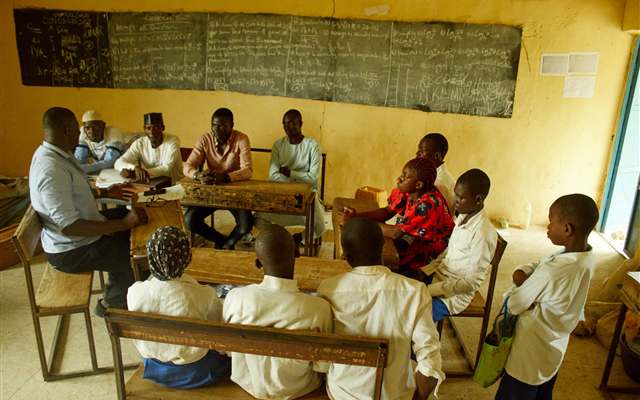
To achieve this, 100 Local Government Area (LGA) managers have been recruited. Their mission is to visit all schools and educational institutions across the 25 LGAs in Niger State, collecting the necessary information to meet the objectives of the TENS II Programme and realise the vision of a new Niger. This crucial information will be bolstered by additional data gathered from interviews and focus groups with various stakeholders.
The outputs from this comprehensive data collection will enable the state government to plan effectively for current and future educational provisions, setting the stage for substantial improvements in the educational system. Through these efforts, the TENS II Programme aspires to create a robust and inclusive educational system that prepares students for future challenges and contributes to the overall development and prosperity of Niger State.
In this journey, Governor Bago's commitment to transforming education shines as a beacon of hope, promising a brighter future for every child in Niger State. By bridging gaps in educational quality and accessibility, the TENS II Programme is not just an initiative but a transformative movement towards realising the potential of every student, irrespective of their background.
To create an exciting, secure and stimulating learning environment in which all age-appropriate citizens and members of the school community can grow in confidence, acquire knowledge and skills and develop to their full potential.
To improve education across all levels, resulting in a transformed education system that benefits all Niger State citizens.
After years of neglect and limited investment, the TENS II Programme aims to improve and transform the state's education system.
Goals of the TENS II Programme
To identify the current problems and challenges within the education sector in Niger State.
To develop and implement interventions and initiatives to address the problems and challenges within the sector.
To transform the sector sustainably by improving the educational standards across all levels and the learning environment's standard.
To provide an education, pupil and student experience that will empower recipients by enhancing teachers' skills and improving learning access and outcomes.
To develop mechanisms to continually review and put forward recommendations on the implementation of the curriculum to reflect the needs of pupils and the labour market, such as entrepreneurial skills development and technical skills acquisitions.
To update and review teaching methodologies to ensure best practice and applicability with the National Curriculum for enhanced performance in national examinations across the State.
To identify and implement the required operational and process transformations within the Ministry of Education, Science and Technology to effect the desired changes to make the organisation more efficient and effective in undertaking its statutory responsibilities.
Problems Affecting the Education Sector
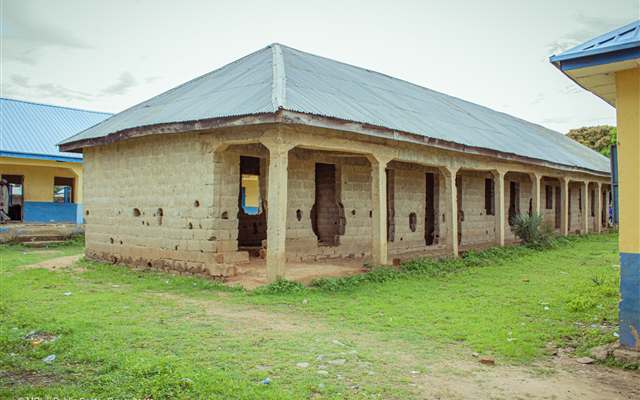
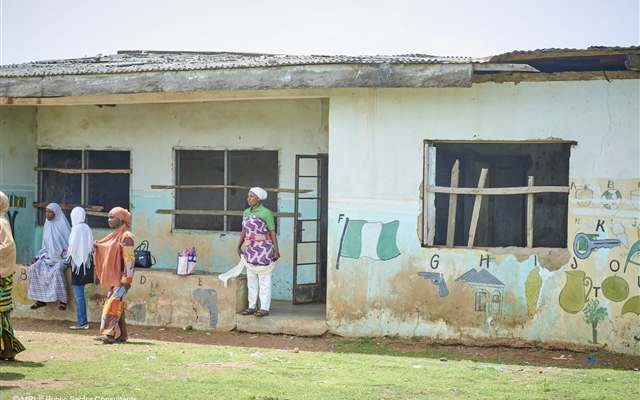
Dilapidated school infrastructure and the urgent need to renovate school buildings across the State.
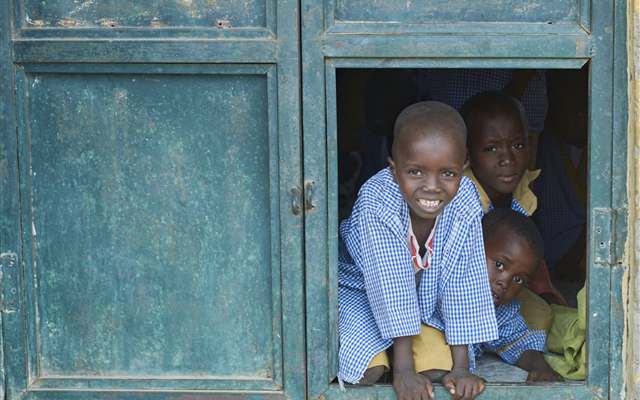
Lack of, and insufficient and usable school infrastructure, such as toilets, science and ICT laboratories, libraries, classrooms, desks and chairs.
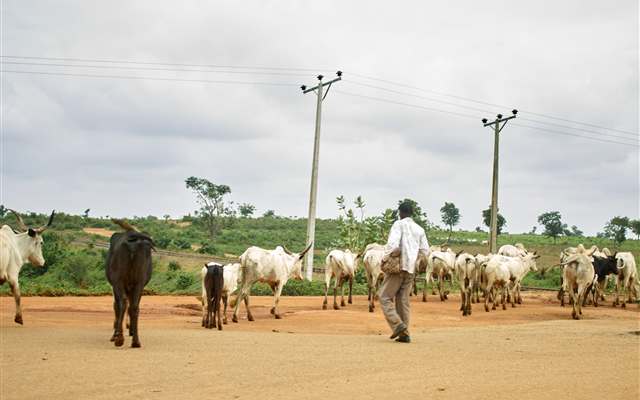
Insecurity relating to banditry, terrorism, and conflicts between farmers and herdsmen and their impact on schools.
De-motivated and demoralised teaching staff, compounded by low and irregular payment of salaries and lack of job satisfaction.
Insufficient qualified teachers due to mismanagement and misalignment of funds for teacher training programmes.
A disconnect between the subjects taught and the needs of the labour market.
The need for an updated school curriculum considering 21st-century skill sets, such as entrepreneurial skills.
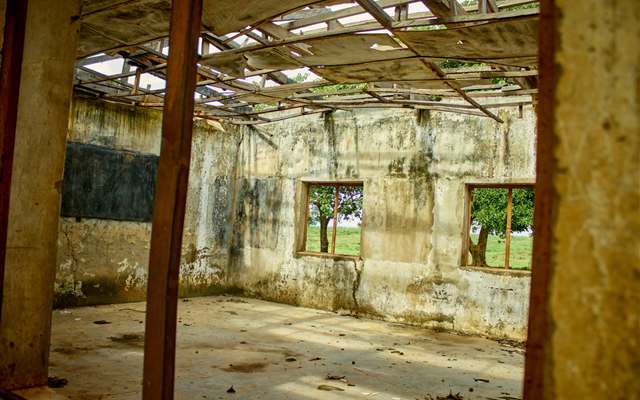
Inadequate funding for education planning and delivery.
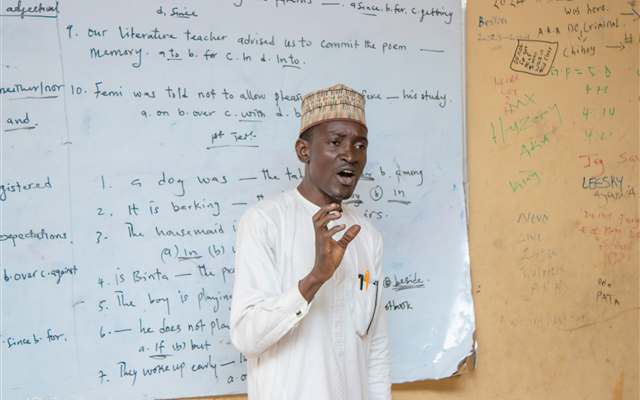
Insufficient and often inaccurate education planning, affecting curriculum implementation and teacher training.
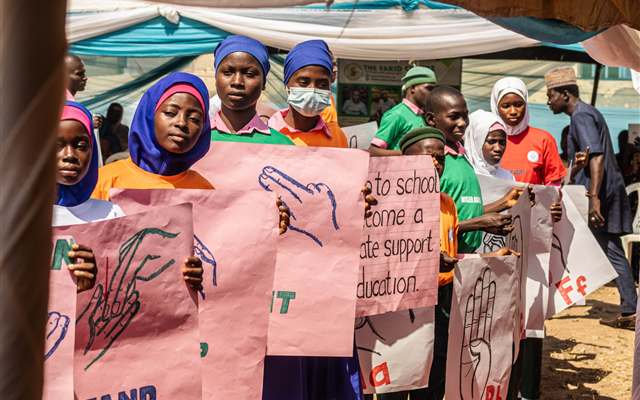
Gender inequality in education opportunities, especially for girls and pupils with disabilities.
Geo-Mapping Progress
Our maps cover schools and educational institutions in Niger State: ECCDE, primary, junior and senior secondary, nomadic and tertiary.

All Schools

Primary Schools

Secondary Schools

Nomadic Schools


